
(856) 399-1900
(856) 399-1900

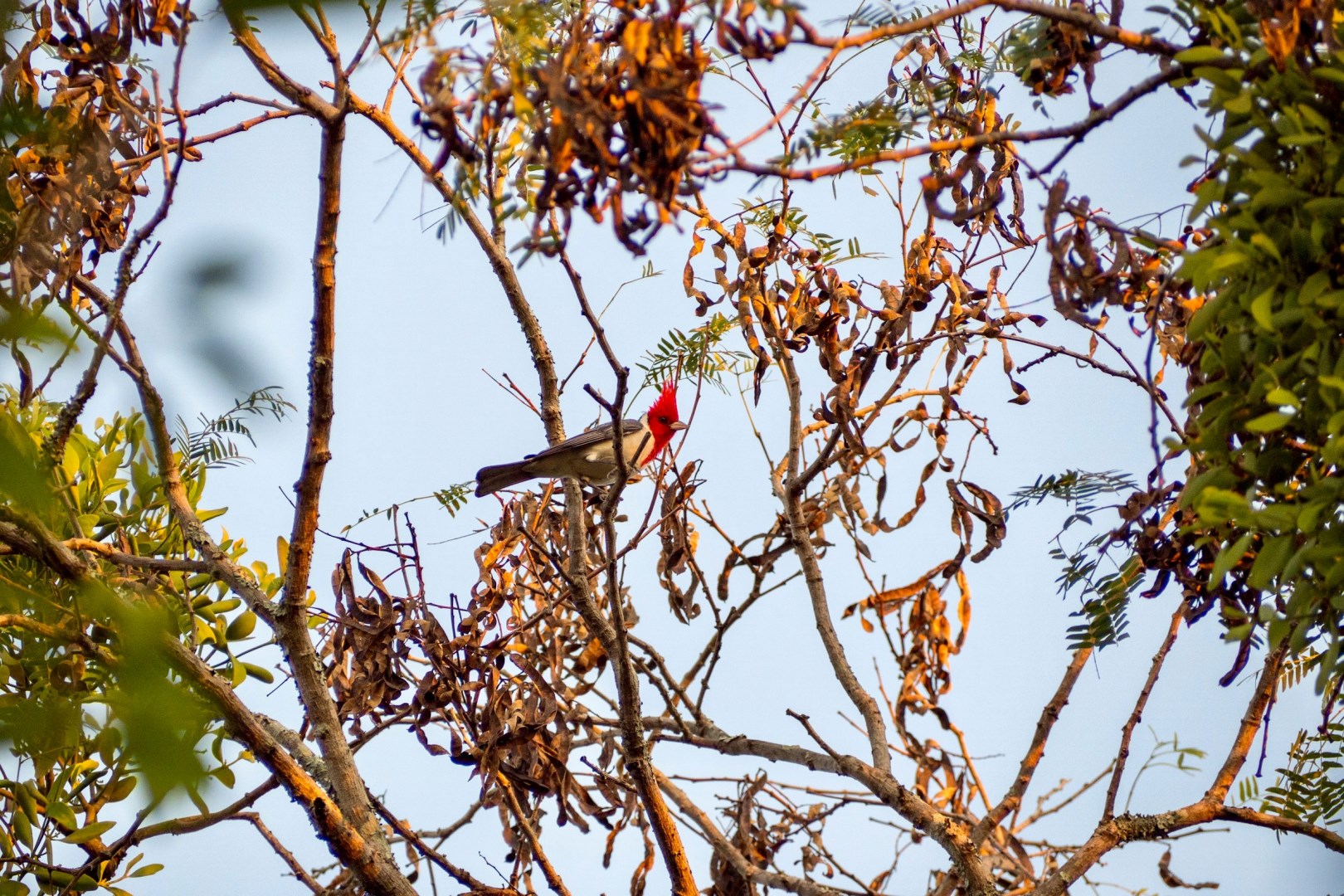
Paraguay is a country that moves to its own rhythm. Landlocked and often overlooked, it’s one of South America’s most culturally distinct destinations. With two official languages, Spanish and Guaraní, and a strong Indigenous heritage, Paraguay offers a travel experience shaped more by tradition than by trend. In the capital city of Asunción, colonial mansions, street murals, and riverside parks sit side by side with open-air markets and relaxed sidewalk cafés where tereré, a cold herbal infusion, is passed around like a social ritual.
The country’s historical depth comes alive in places like the Jesuit Ruins of Trinidad and Jesús de Tavarangue, both UNESCO World Heritage Sites. The red sandstone structures still stand amid open fields, with intricate carvings and quiet courtyards that hint at a complex and peaceful society long before colonization disrupted it.
For travelers drawn to wild, open landscapes, Paraguay offers two distinct ecosystems: the lush, river-fed east and the remote, dry Chaco in the west. The Chaco, a vast expanse of thorn forests and salt lagoons, is home to jaguars, giant anteaters, and Mennonite farming communities who arrived in the 20th century and now maintain German-speaking towns like Filadelfia. In contrast, the east boasts waterfalls like Salto Monday and bird-filled reserves such as the Mbaracayú Forest Biosphere Reserve, where toucans, monkeys, and rare orchids thrive.